Information presented on this website is advertising in nature

Our Philosophy

The places where we work profoundly influence how we think, collaborate, and create. Yet most workspaces are designed around assumptions from decades past, when work was defined by presence rather than output.

We believe workspace design should respond to actual work patterns, not impose outdated structures. This means understanding the rhythms of focused work, the spontaneous nature of innovation, and the human need for both connection and solitude.
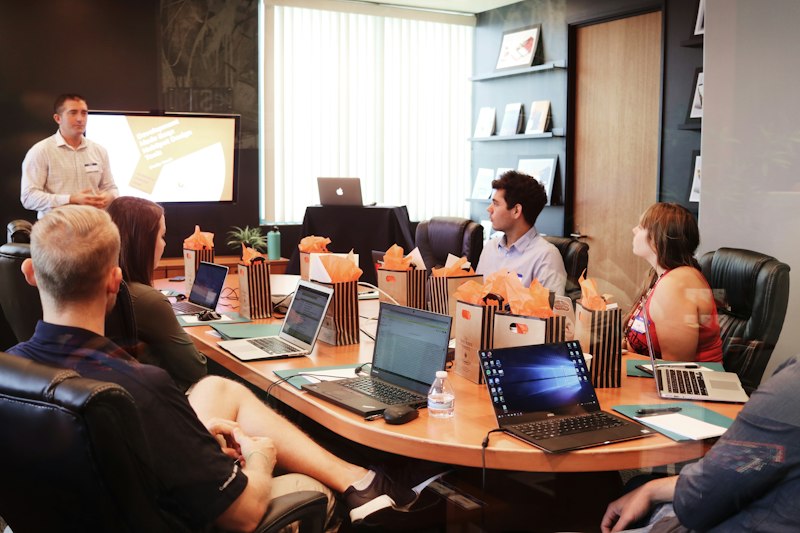
Team collaboration in modern workspace

What Guides Our Work

Principles that inform every workspace assessment and recommendation

Evidence Over Assumption

We draw from environmental psychology, organizational behavior research, and ergonomic science rather than following trends or making assumptions about how people should work.

Flexibility as Foundation

Work requirements change constantly. Our designs anticipate this by creating spaces that can adapt without complete overhaul, supporting both current and future needs.

Individual Recognition

No two organizations work identically, and no two individuals within them share the same preferences. Our approach accounts for this variation rather than imposing uniform solutions.

The Changing Workplace Landscape

The transition to hybrid work has accelerated questions that organizations had been avoiding for years. What is the purpose of the physical office when most tasks can happen anywhere? How do we justify real estate costs when occupancy fluctuates unpredictably?

These questions demand honest answers. Sometimes the solution involves redesigning spaces. Sometimes it means reconsidering whether certain spaces are needed at all. We help organizations navigate these decisions without predetermined outcomes.

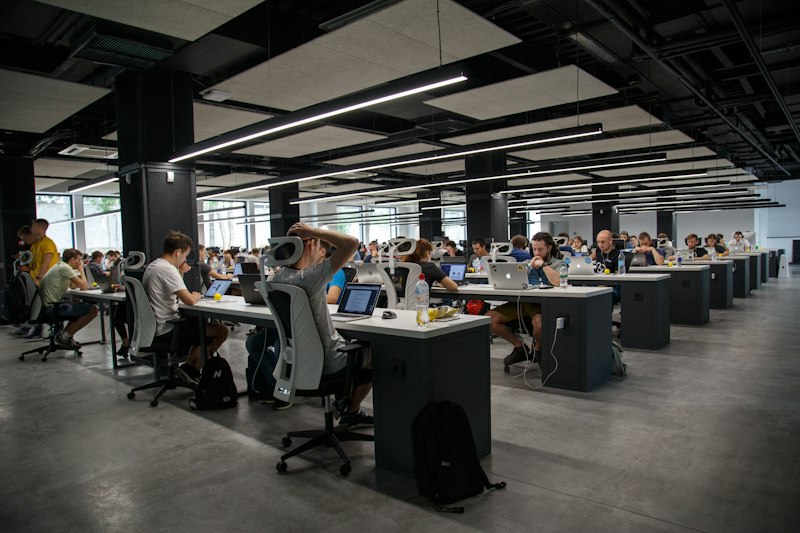
Open plan office with varied seating zones

Our Process

How we approach workspace transformation projects

Observation and Assessment

We begin by understanding current patterns: how spaces are actually used versus how they were intended to be used. This often reveals surprising disconnects between design intention and daily reality.

Stakeholder Input

Different roles have different spatial needs. A software developer requires different conditions than a sales team member. We gather input across functions to understand the full range of requirements.

Strategic Recommendations

Our recommendations prioritize impact and feasibility. We distinguish between quick improvements and longer-term transformations, providing clear rationale for each suggestion.

Start the Conversation

Understanding your current workspace is the first step toward improving it. Reach out to discuss your specific situation.

Get in Touch
Disclaimer: Workspace design recommendations are based on general research and best practices. Results from implementing these suggestions may vary depending on organizational culture, individual work styles, and other factors. This information should complement, not replace, consultation with qualified design and architecture professionals for significant modifications.